Mobile Truck Repair vs. Traditional Shops: Which Is Better For Your Florida Fleet?

Managing a commercial fleet in Florida is no small feat. Between the unrelenting heat, the salt air that accelerates corrosion, and the high-traffic corridors of I-95, I-4, and I-75, your vehicles are under constant stress. When a truck goes down, you are faced with a critical decision that impacts your bottom line: do you tow it to a traditional brick-and-mortar shop, or do you call for mobile truck repair?
For years, the traditional shop was the only game in town. But as the logistics industry has evolved, so has the technology behind fleet maintenance. Today, the choice between these two models isn’t just about a mechanical fix: it’s about strategic asset management. At AM Ready Services (AMR Fleet Services), we understand that every hour your vehicle sits idle is an hour of lost revenue.
In this guide, we will break down the pros and cons of mobile truck repair versus traditional shops, specifically through the lens of operating a Florida-based fleet.
The Traditional Shop Model: A Legacy of Delays
Traditional repair shops have their place in the industry, particularly for massive overhauls. However, for the majority of fleet maintenance needs, they often represent a bottleneck in your operations.
1. The Towing Tax
The moment a truck breaks down on the side of a Florida highway, the “traditional” clock starts ticking. First, you have to coordinate a heavy-duty tow. In Florida, towing fees for commercial vehicles can be astronomical, often costing hundreds or even thousands of dollars before a single wrench is turned. When you rely on a shop, you are essentially paying a “entry fee” just to get your vehicle to the repair site.
2. The “Back of the Line” Syndrome
Traditional shops operate on a first-come, first-served basis, or they prioritize high-margin engine overhauls over routine maintenance. Your truck might sit in a lot for three days before a technician even hooks up a diagnostic tool. This lack of transparency makes it nearly impossible to provide accurate ETAs to your clients, damaging your reputation for reliability.
3. Driver Downtime
If your driver is stuck at a shop, you aren’t just losing the truck; you’re losing the driver’s hours of service (HOS). You have to arrange for transport to a hotel or back to the terminal, adding layers of logistical headaches and extra costs to an already expensive day.
The Mobile Fleet Maintenance Revolution
Mobile fleet maintenance in Florida has shifted from a “roadside emergency” backup to a primary maintenance strategy for high-performance fleets. Here is why savvy fleet managers are making the switch.
1. Eliminating the True Cost of Downtime
The true cost of fleet downtime includes more than just the repair bill. It encompasses missed delivery windows, driver wages, and the potential loss of a contract. Mobile truck repair brings the shop to you: whether your truck is at a warehouse, a loading dock, or on the shoulder of the Florida Turnpike. By performing repairs on-site, you eliminate the need for towing and the “dead time” spent waiting in a shop’s yard.
2. 24/7 Rapid Response
Breakdowns don’t happen on a 9-to-5 schedule. In the fast-paced Florida logistics market, you need a partner that is AM Ready around the clock. Mobile services offer 24/7 availability, ensuring that a midnight air leak doesn’t turn into a missed morning delivery.
3. On-Site Mobile Diagnostics
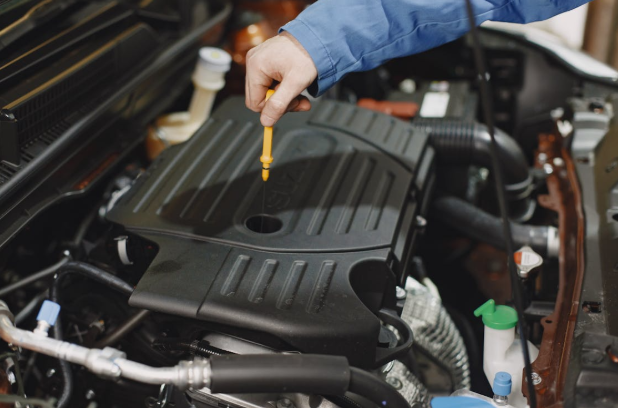
Modern mobile units are equipped with state-of-the-art technology. Reducing fleet downtime with on-site mobile diagnostics allows technicians to identify the root cause of an issue immediately. Instead of guessing, ASE-certified mechanics use the same high-level software found in the best brick-and-mortar facilities to get your truck back in service.
The Quality Question: Are Mobile Mechanics as Good?
A common misconception is that mobile repair is a “quick fix” or a “patch job.” This couldn’t be further from the truth when you partner with a professional service provider.
At AMR Fleet Services, our team consists of ASE-certified mechanics. These professionals undergo rigorous training and testing to ensure they can handle everything from complex electrical issues to advanced braking systems. In fact, mobile technicians are often more experienced in high-pressure troubleshooting than shop-based mechanics because they have to be resourceful and efficient in the field.
When you hire for mobile truck repair in Florida, you aren’t sacrificing quality for convenience. You are getting concierge-level service from an expert who is focused solely on your vehicle, rather than a shop foreman managing twenty different jobs at once.
Strategic Maintenance: The Best of Both Worlds
While we are strong advocates for the mobile model, we believe in a pragmatic, business-minded approach. There are times when a traditional shop is the logical choice.
- Major Engine/Transmission Overhauls: If an engine needs to be pulled from the frame, a controlled shop environment with heavy overhead cranes is necessary.
- Significant Frame Work: Major structural repairs following a high-impact accident usually require the specialized jigs of a body shop.
However, statistics show that 80-90% of all fleet maintenance and repair needs: including PM services, brakes, tires, cooling systems, and electrical repairs: can be performed more efficiently through a mobile model.
Why Florida Fleets Choose AMR Fleet Services
Florida presents unique challenges. The high humidity can cause electrical connectors to corrode faster, and the heat places an immense load on cooling systems and tires. A cookie-cutter maintenance plan doesn’t work here.
By utilizing mobile fleet maintenance in Florida, you can stay ahead of these environmental stressors. Our technicians can perform comprehensive preventive maintenance while your trucks are parked for the night. This proactive approach identifies small issues (like a worn serpentine belt or a minor coolant leak) before they become catastrophic roadside failures.
Furthermore, we assist with DOT inspection prep, ensuring your vehicles stay compliant and out of the “out-of-service” category during CVSA roadchecks.
Comparing the ROI
Let’s look at the numbers. Consider a standard brake job on a Class 8 tractor.
Traditional Shop Route:
- Towing to shop: $450
- Wait time: 2 days (Estimated lost revenue: $2,000)
- Driver transport/hotel: $300
- Repair cost: $800
- Total: $3,550
Mobile Truck Repair Route:
- Mobile dispatch fee: $150
- Wait time: 2 hours (Zero lost revenue if scheduled during off-hours)
- Driver downtime: Zero
- Repair cost: $850
- Total: $1,000
The mobile model isn’t just about fixing a truck; it’s about protecting your ROI. By choosing mobile, you are investing in your fleet’s uptime rather than paying for the overhead of a massive repair facility.
Conclusion: Making the Right Call for Your Fleet
In the battle of Mobile Truck Repair vs. Traditional Shops, the winner for Florida fleets is clear: Mobile repair wins on speed, convenience, and overall cost-effectiveness for the vast majority of service needs.
While traditional shops will always have a role in heavy-duty structural work, the modern fleet manager must prioritize agility. You need a partner who understands that your trucks are your livelihood. You need a team that is AM Ready to respond 24/7 with the expertise and tools required to keep your business moving.
Don’t let your fleet get stuck in a shop’s waiting room. Whether you need an emergency roadside fix or a comprehensive on-site maintenance program, we are here to help. Explore our full range of services or check out our blog for more industry insights.
Ready to minimize your downtime? Contact AM Ready Services today and experience the mobile difference.