Roadside Recovery Realities: What You Should Know About Commercial Truck Roadside Assistance
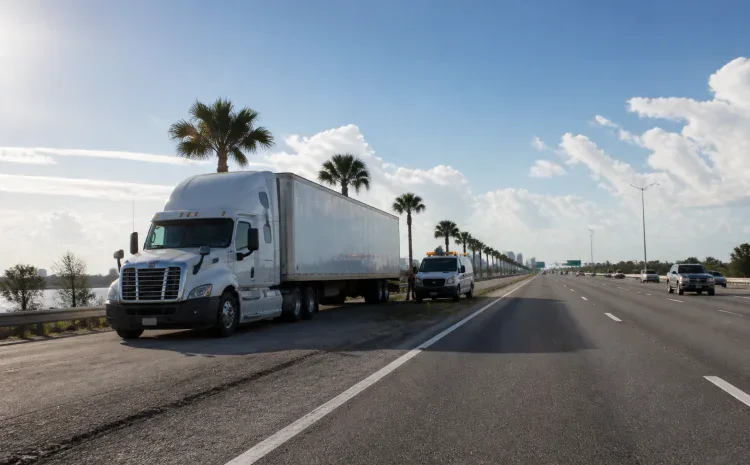
If you have been in fleet management for more than a week, you know the feeling. It is usually a Tuesday afternoon or a rainy Thursday night when your phone rings, and you see a driver’s name on the caller ID. You already know what they are going to say: the truck is down. Whether it is a blown tire on I-95 or an unexpected engine derate in the middle of Orlando traffic, the clock starts ticking the second that vehicle stops moving.
Roadside recovery isn’t just about getting a truck out of the way; it’s about protecting your bottom line. In the world of logistics, a stationary truck is a liability. But the reality of commercial truck roadside assistance is often more complicated than just calling a tow truck. It requires a balance of safety, technical expertise, and rapid logistics to ensure that a minor mechanical hiccup doesn’t turn into a multi-day disaster.
The High Cost of the “Wait and See” Approach
One of the biggest mistakes a fleet manager can make is underestimating the true cost of fleet downtime. It’s easy to look at a repair estimate and focus on the parts and labor, but the peripheral costs are what really hurt. You have missed delivery windows, potential driver HOS (Hours of Service) issues, and the logistical nightmare of rerouting another vehicle to pick up the load.
When a vehicle breaks down in Florida’s heavy traffic, every minute it sits on the shoulder increases the risk of a secondary accident. This is why having a plan for fleet roadside assistance in Florida isn’t just a convenience: it’s a risk management strategy. You need to know exactly who is coming and how long it will take them to get there before the situation escalates.
Safety First: The Golden Rule of the Shoulder
Before a mechanic even touches the truck, safety is the priority. The highway shoulder is one of the most dangerous places for a driver to be. If your driver calls in a breakdown, the first three questions you should ask are:
- Are you in a safe location?
- Are your hazard lights on?
- Have you placed your warning triangles or flares correctly?
Federal regulations are very specific about triangle placement (10 feet, 100 feet, and 200–500 feet back, depending on the road type), but in the heat of the moment, drivers can get flustered. Remind them to stay in the cab with their seatbelt on unless there is an immediate danger like fire.
The goal is to secure the scene so that when your provider for commercial truck roadside assistance arrives, they can focus on the vehicle without dodging distracted drivers. We always recommend that drivers perform a quick visual inspection if it’s safe, but they should never attempt a DIY repair on a busy interstate. That is a job for the pros.
Mobile Repair vs. Towing: Choosing the Right Path
When the service truck arrives, the big question is: can we fix it here, or does it need a hook? In the past, almost every major breakdown resulted in a tow to a nearby shop. However, modern mobile truck repair vs. traditional shops is a comparison where mobile services are increasingly winning out.
Many common issues: blown air lines, electrical shorts, coolant leaks, and even some turbo issues: can be handled right there on the roadside. By opting for 24/7 mobile truck repair, you avoid the massive expense of a heavy-duty tow and the “shop purgatory” where your truck sits in a yard for three days waiting for a bay to open up.
Our technicians use on-site mobile diagnostics to pinpoint the failure immediately. If the truck can be safely repaired on the shoulder or in a nearby parking lot, we do it. This keeps your driver with the vehicle and gets them back on their route hours, or even days, faster than a traditional shop visit.

The Florida Factor: Weather and Heat
Operating a fleet in Florida brings unique challenges that dispatchers in cooler climates might not consider. The humidity and relentless sun take a massive toll on cooling systems, batteries, and tires. A tire that was “fine” during a pre-trip inspection in the morning can easily delaminate after three hours on a 100-degree asphalt surface at highway speeds.
Furthermore, Florida’s sudden afternoon thunderstorms can turn a routine roadside repair into a hazardous environment in seconds. This is why you need a partner who understands mobile fleet maintenance in Florida. We don’t just fix the immediate problem; we understand the environmental factors that likely caused it. Whether it’s a salt-air corrosion issue near the coast or a cooling system failure in the Everglades, local expertise matters.
Why 24/7 Availability is Non-Negotiable
Supply chains don’t sleep, and neither do breakdowns. If your fleet runs overnight or starts its routes at 3:00 AM, a “9-to-5” repair shop is useless to you. The reality of recovery is that it usually happens at the most inconvenient times.
Having access to ASE-certified mechanics who are available around the clock ensures that your graveyard shift isn’t left stranded until the sun comes up. When you partner with a service that provides total coverage, you’re buying peace of mind. You’re ensuring that whether it’s a holiday, a weekend, or the middle of the night, your operations won’t grind to a halt.
Keeping Your Fleet Compliant and Road-Ready
Roadside assistance is the “emergency room” of fleet management, but consistent maintenance is the “preventative medicine.” While we are always ready for the emergency calls, we also encourage our partners to stay ahead of the curve with certified DOT inspections.
Often, a roadside breakdown reveals underlying maintenance gaps. When we come out for a road call, we don’t just patch the leak and leave. We look for the “why.” Was this a freak occurrence, or is it a sign of a larger issue in your maintenance cycle? Using that data to refine your preventative maintenance is how you eventually stop the emergency calls from happening in the first place.
Choosing Your Recovery Partner
Not all roadside providers are created equal. When you are vetting a company to handle your fleet, look for these three things:
- Response Time: How fast can they actually get to the major Florida corridors like I-4, I-75, or the Turnpike?
- Capability: Do they have the equipment for heavy-duty recovery, or are they just a “light-duty” shop with a fancy van?
- Transparency: Do they provide clear communication and digital documentation of the repair?
In a high-pressure situation, you need a partner who acts as an extension of your team, not just another vendor. You need someone who understands that your priority is safety first, and uptime a very close second.
Conclusion
Roadside breakdowns are an inevitable part of running a fleet, but they don’t have to be a catastrophe. By understanding the realities of recovery: from safety protocols to the benefits of mobile diagnostics: you can turn a breakdown into a manageable speed bump.
The key is preparation. Don’t wait for the next “truck down” call to start looking for a partner. At AM Ready Services, we specialize in keeping Florida’s fleets moving with 24/7 mobile repair, towing, and comprehensive maintenance. We come to you, wherever you are, to ensure your downtime is kept to an absolute minimum.
If you’re ready to shore up your fleet’s emergency response plan, reach out to us today. Let’s get your vehicles back on the road where they belong.