Brakes, Tires & Lights: What the 2026 Roadcheck Results Mean for Your Florida Fleet
The 2026 CVSA International Roadcheck results deliver a clear message for Florida fleet operators: basic mechanical condition still determines whether a commercial vehicle stays on schedule or gets parked at the roadside.
During the three-day inspection campaign from May 12–14, certified inspectors conducted 54,575 inspections across North America. They placed 10,350 commercial vehicles and 3,184 drivers out of service: 13,534 out-of-service orders in total.
The most common vehicle violations involved brakes, tires, cargo securement, and lights. For fleets operating box trucks, vans, service vehicles, and heavy-duty trucks throughout Florida, these results are more than statistics. They provide a practical checklist for reducing roadside interruptions, protecting drivers, and avoiding preventable compliance problems.
What the 2026 Roadcheck Results Show
Inspectors identified 13,924 vehicle out-of-service violations. Because one vehicle can have multiple violations, the violation count is higher than the number of vehicles placed out of service.
The top five vehicle violations were:
| Vehicle violation | OOS violations | Share of vehicle violations |
|---|---|---|
| Brake systems | 3,379 | 24.3% |
| Tires | 2,914 | 20.9% |
| 20% defective brakes | 2,072 | 14.9% |
| Cargo securement | 1,724 | 12.4% |
| Lights | 1,659 | 11.9% |
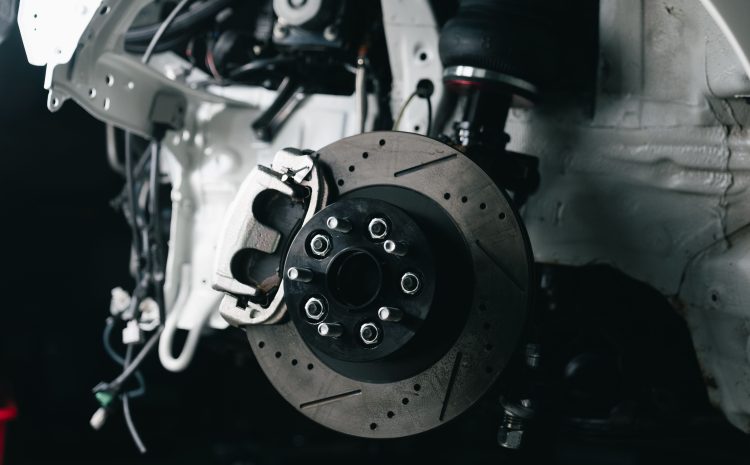
The most important takeaway is the combined brake figure. Brake system violations and 20% defective brake violations totaled 5,451 cases, accounting for 39.1% of all vehicle out-of-service violations.
In other words, nearly four out of every ten vehicle violations were brake-related.
That makes brake inspections a priority: not only during annual compliance checks, but as part of every fleet’s routine maintenance process.
1. Treat Brake Maintenance as a Daily Safety Responsibility
Brake problems rarely appear at the worst possible time. They usually develop gradually through wear, heat, contamination, poor adjustment, air leaks, or neglected components.
A driver may notice a longer stopping distance, pulling to one side, unusual noise, vibration, or a change in pedal feel. By the time one of these symptoms becomes obvious, the vehicle may already have a serious safety issue.
Your inspection process should include:
- Brake lining or pad condition
- Rotor and drum wear
- Air lines, hoses, and fittings
- Air pressure buildup and leakage
- Brake chamber condition
- Slack adjusters and related hardware
- Warning lights and dashboard alerts
- Uneven braking or pulling during a controlled test
The 20% defective brakes category is especially important for commercial vehicles with multiple axles. A vehicle can appear to have some braking capability while still failing when enough brakes are defective or out of service.
For heavy-duty fleets, brake maintenance should be tracked by vehicle and axle: not simply marked as “checked.” Recording measurements, repairs, and follow-up dates helps your team identify recurring problems before they become a roadside violation.
A qualified mobile technician can inspect and repair many brake issues at your yard, job site, or staging area. That approach helps you avoid sending an otherwise operational vehicle across town to a repair facility and keeps your maintenance schedule moving.
2. Check Tires for Florida Heat, Wear, and Road Damage
Tires represented 2,914 vehicle out-of-service violations during the 2026 Roadcheck. That makes tires the second-largest category and a major source of preventable downtime.
Florida’s climate adds extra pressure to commercial tires. High pavement temperatures, strong sunlight, heavy rain, standing water, and long periods of highway driving can accelerate wear or expose existing weaknesses. Underinflation also generates additional heat, increasing the risk of a tire failure.
Before a vehicle leaves your yard, inspect for:
- Correct inflation pressure
- Low tread depth or uneven wear
- Cuts, punctures, bulges, and sidewall damage
- Exposed cords or belt separation
- Objects embedded in the tread
- Valve stem and wheel-end leaks
- Mismatched or improperly installed tires
- Dual-tire contact or debris trapped between tires
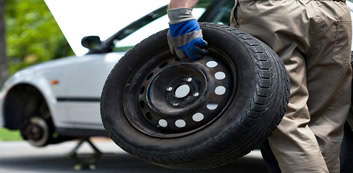
Do not rely on appearance alone. A tire can look acceptable from a distance while losing pressure or developing internal damage. Tire pressure should be measured with a reliable gauge, and your team should follow the vehicle and tire manufacturer’s specifications.
It is also worth reviewing tire wear patterns during scheduled preventive maintenance. Wear on one edge may point to alignment or suspension problems. Repeated wear on the same axle may indicate an underlying mechanical issue rather than a tire-quality problem.
Mobile tire inspection, replacement, rotation, and balancing can help your fleet address these concerns without taking every vehicle out of service for a full day.
3. Make Lights and Electrical Checks Part of the Pre-Trip Routine
Lighting violations accounted for 1,659 vehicle out-of-service violations in North America. A failed lamp may seem minor compared with a brake or tire problem, but lights are essential for visibility, communication, and safe operation: especially during Florida’s sudden rainstorms and periods of reduced visibility.
A proper light check should cover:
- Headlamps and high beams
- Turn signals
- Brake lights
- Clearance and marker lights
- Reflectors
- Hazard flashers
- License plate lights
- Trailer lighting connections
- Wiring, connectors, and damaged housings
Drivers should not limit the inspection to whether a light turns on. Look for dim output, flickering, cracked lenses, loose wiring, corrosion, and moisture inside the housing.
Electrical faults can also affect more than lighting. Weak batteries, failing alternators, damaged grounds, and loose connections may create starting problems or cause intermittent warning lights. Detailed electrical diagnosis can help identify the root cause instead of replacing components repeatedly.
4. Do Not Overlook Cargo Securement
Cargo securement was the 2026 inspection focus area and ranked fourth among vehicle out-of-service violations, with 1,724 violations.
Improperly restrained cargo can shift during braking, cornering, or sudden lane changes. It can affect vehicle stability, damage freight, create highway debris, or contribute to a rollover.
Before departure, your driver or loading team should confirm that cargo is:
- Properly positioned and distributed
- Restrained with suitable tie-downs or securement devices
- Protected from shifting, rolling, or falling
- Checked again after the vehicle has traveled a short distance
- Rechecked during the route when conditions require it
This is particularly important for service fleets carrying tools, equipment, parts, and loose materials. A cargo area that looks organized may still contain items that can move under hard braking.
5. Build Roadcheck Readiness into Normal Fleet Maintenance
Roadcheck preparation should not be a once-a-year rush. The most effective strategy is to make inspection readiness part of your regular operating process.
A practical fleet program includes:
Daily driver inspections
Drivers should complete consistent pre-trip and post-trip checks and report defects immediately. Your process should make it easy to document the issue and assign a repair priority.
Scheduled preventive maintenance
Use mileage, engine hours, time intervals, and vehicle duty cycle to schedule brake, tire, suspension, lighting, and electrical inspections. High-use vehicles may need attention more often than vehicles with lighter routes.
Documented repairs
Record what was found, what was repaired, which parts were replaced, and whether the vehicle was returned to service. Clear records help managers identify repeat failures and demonstrate a proactive maintenance approach.
On-site inspections and repairs
When vehicles are scattered across Florida, bringing technicians to the fleet can reduce transportation time and operational disruption. AM Ready Services provides mobile fleet maintenance for light-, medium-, and heavy-duty commercial vehicles, including brake repairs, tire service, electrical diagnosis, and other mechanical work.
How Mobile DOT Inspection Services Help Florida Fleets
A mobile DOT inspection in Florida can give your team an independent, structured review of the systems inspectors commonly examine. The goal is not to guarantee a roadside inspection outcome. The goal is to identify defects while you still have time to correct them.
AM Ready Services’ certified DOT inspections cover critical areas such as brakes, tires, lights, and steering. Combining an inspection with mobile repair support can make the process more efficient: defects can be documented, prioritized, and addressed at your location whenever the required service is available on-site.
This is especially useful for:
- Fleets with limited spare vehicles
- Municipal and public-service operations
- Businesses with early-morning dispatch schedules
- Heavy-duty vehicles working across multiple locations
- Operators preparing for seasonal demand or regulatory reviews
Florida traffic can make moving a disabled or non-compliant commercial vehicle expensive and time-consuming. On-site service helps reduce unnecessary trips, while 24/7 emergency support remains available when a breakdown or accident occurs.
Keep Your Fleet Ready Before an Inspector Finds the Problem
The 2026 Roadcheck data reinforces a straightforward point: brakes, tires, and lights deserve consistent attention. Brake-related violations alone represented 39.1% of all vehicle out-of-service violations, while tires and lights added thousands more preventable interruptions.
Your best defense is a repeatable process: daily inspections, scheduled maintenance, accurate records, and timely repairs. With fleet maintenance services in Florida, you can address problems at your facility or another location before they become roadside delays.
AM Ready Services provides 24/7 mobile fleet maintenance, mobile DOT inspections, heavy-duty truck repair in Florida, towing, and general accident recovery for commercial fleets and municipalities. Contact AM Ready Services or call (239) 877-7379 to schedule service and keep your vehicles ready for the road.