What Tow Truck Drivers Wish Fleet Operators Knew About Commercial Vehicle Recovery
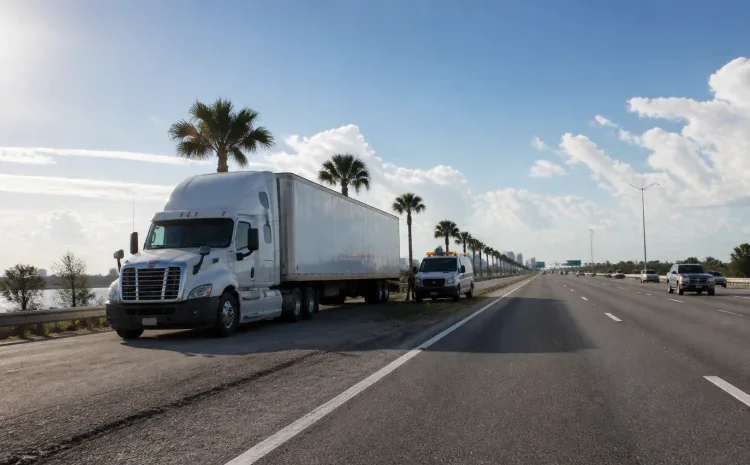
A commercial vehicle rarely breaks down at a convenient time. It may happen during a late-night delivery, in heavy traffic near Orlando, or shortly after a Florida thunderstorm has reduced visibility and soaked the shoulder. When a truck, van, or service vehicle becomes disabled, the quality of your recovery plan can determine whether the disruption lasts an hour or affects your operation for several days.
Tow truck drivers see the same problems repeatedly: incomplete location details, unclear vehicle information, unsafe roadside conditions, and delays caused by decisions that should have been made before the incident. They also see the difference a prepared fleet operator can make.
Commercial vehicle recovery is not simply about moving a disabled asset. It is a coordinated process involving driver safety, traffic conditions, vehicle configuration, mechanical assessment, towing, documentation, and the next stage of repair. Here is what experienced recovery professionals wish more fleet operators knew.
Recovery Starts Before the Tow Truck Arrives
The fastest recovery calls are usually the ones supported by a clear internal process. Your driver or dispatcher should know who to contact, what information to provide, and where the vehicle should go if towing is required.
Industry guidance recommends creating a roadside breakdown playbook with prearranged contacts for mechanical repair, tire service, and towing in the regions where your fleet operates. FleetOwner’s breakdown planning guidance makes the same point: an emergency is not the time to begin searching for a provider.
Your plan should include:
- A 24/7 contact for commercial vehicle towing and recovery
- Vehicle identification, including unit number, make, model, and approximate weight
- Common operating routes and service areas
- Preferred repair facilities or secure drop-off locations
- Escalation contacts for fleet managers, dispatchers, and safety personnel
- Procedures for accidents, injuries, cargo concerns, and law-enforcement involvement
A prepared plan helps the recovery provider send the right response and prevents avoidable back-and-forth during a stressful event.
Accurate Information Makes Recovery Safer and Faster
When your team calls for commercial towing in Florida, the recovery provider needs more than a general description such as “the truck is on I-75.” A major highway can cover many miles, and a disabled commercial vehicle may be difficult to see from the roadway.
Give the dispatcher as much of the following information as possible:
- Highway or road name
- Direction of travel
- Mile marker, exit number, or nearest intersection
- City or county
- Lane, shoulder, median, or off-road position
- Vehicle type and configuration
- Whether the vehicle is loaded
- Visible damage, leaking fluids, smoke, or fire
- Whether the vehicle can roll, steer, or be moved under its own power
- Weather, traffic, lighting, and access conditions
If the vehicle is part of a combination, explain whether the issue affects the tractor, trailer, or both. A box truck, service van, medium-duty vehicle, and heavy-duty truck may all require different recovery approaches.
Clear information does not replace an on-site assessment, but it helps the provider prepare for the call instead of arriving without the right context.
The Driver’s First Responsibility Is Scene Safety
A driver should never attempt to diagnose or repair a commercial vehicle in a dangerous location simply to avoid a tow. Florida’s high-speed traffic, narrow shoulders, heavy rain, intense heat, and sudden storms can turn a minor breakdown into a serious roadside hazard.
If it is safe to do so, the driver should:
- Move the vehicle as far from moving traffic as possible.
- Activate hazard lights and apply the parking brake.
- Deploy warning devices according to company procedures and applicable requirements.
- Notify dispatch and provide an accurate location.
- Remain in a safe position while waiting for assistance.
Drivers should not stand between lanes, climb onto a trailer near moving traffic, or attempt improvised towing with chains, straps, or another fleet vehicle. They should also avoid working under a vehicle or around unstable components.
If there are injuries, fire, spilled fluids, an obstructed travel lane, or another immediate threat, emergency services and law enforcement should be contacted first. Commercial vehicle towing and general accident recovery can then be coordinated once the scene is safe to manage.
Not Every Disabled Truck Needs a Tow
One of the most important decisions in a roadside event is whether to repair the vehicle where it sits or arrange a tow. The answer depends on the failure, location, vehicle condition, and safety of the repair.
Some issues may be addressed through mobile service, including certain tire, brake, electrical, cooling, or minor mechanical problems. An on-site diagnostic assessment can determine whether the vehicle is safe to repair and return to service.
Other situations call for towing or more involved recovery. These may include:
- Significant collision damage
- A vehicle that cannot steer, roll, or maintain braking control
- Serious wheel-end or suspension damage
- A rollover or unstable vehicle position
- Fire, fuel, coolant, or other fluid hazards
- A location where roadside repair would expose technicians to unacceptable risk
- Damage that makes driving the vehicle unsafe or likely to cause further failure
Experienced tow operators do not treat every call as a simple hook-and-haul job. They assess the vehicle, roadway, traffic, access, and recovery risk before beginning work. Your team should provide the facts and allow qualified professionals to determine the safest next step.
General Accident Recovery Requires More Coordination
After a collision, towing is only one part of the response. Your fleet may also need to coordinate with the driver, law enforcement, insurers, dispatch, customers, and repair personnel.
The priorities should remain consistent:
- Check for injuries and contact emergency services when necessary.
- Keep the driver away from traffic and other hazards.
- Preserve useful information about the scene and vehicle condition.
- Photograph the vehicle, roadway, weather, visible damage, and surrounding conditions when it is safe.
- Record the incident location, time, responding agencies, and report details.
- Confirm where the vehicle is being taken.
- Notify the appropriate internal and insurance contacts.
Do not assume that a vehicle should automatically be taken to the nearest facility. The right destination may depend on the vehicle’s condition, your maintenance arrangements, available equipment, security, and the next repair step. Communicate your preferred destination to the recovery provider before the truck is moved whenever possible.
For fleets and municipalities, a consistent general accident recovery process also improves accountability. It gives managers a clearer record of what happened, what services were performed, and what decisions still need to be made.
Florida Weather Changes the Recovery Picture
Florida fleet operators must plan for more than mechanical failure. Heat, humidity, standing water, heavy rain, lightning, and tropical weather can affect both the vehicle and the recovery operation.
High temperatures place additional stress on tires, batteries, cooling systems, and air-conditioning components. Rain can reduce visibility and make shoulders soft or unstable. Flooded areas may conceal roadway damage or create conditions in which a standard tow is not appropriate. During severe weather, traffic congestion and road closures can also change the provider’s route and arrival time.
A good recovery plan accounts for these variables. Keep current vehicle and driver location information available, make sure drivers understand your roadside safety procedures, and use a provider familiar with commercial routes throughout Florida.
What Reliable Recovery Partners Bring to the Call
Fleet operators should evaluate towing and recovery providers before an emergency occurs. Price matters, but it should not be the only consideration. The wrong provider can increase downtime, create additional damage, or leave your team without useful documentation.
Look for a partner that can provide:
- 24/7 response
- Commercial vehicle towing for light-, medium-, and heavy-duty vehicles
- General accident recovery support
- Mobile diagnostic and repair capabilities when appropriate
- Clear communication with drivers and fleet managers
- Safe, professional on-site assessments
- Service documentation and recovery details
- Coverage suited to your Florida operating area
AM Ready Services provides 24/7 fleet solutions and repairs throughout Florida, including mobile maintenance, repair, towing, and general accident recovery for commercial vehicles. Because our technicians come to your location, some disabled vehicles may be assessed or repaired without the delay of moving them to a traditional shop. When towing is necessary, the goal remains the same: protect people, control the situation, and reduce unnecessary downtime.
Build the Relationship Before You Need It
The best time to select a commercial vehicle recovery partner is before a driver calls from the roadside. Ask how the provider handles different vehicle classes, accidents, severe weather, difficult access, and communication with fleet management.
You should also review recovery events afterward. Track response time, downtime, towing distance, repeat failures, repair outcomes, and documentation quality. These details can reveal whether a recurring mechanical issue needs attention or whether your roadside process needs improvement.
Regular preventive maintenance and certified DOT inspections can reduce avoidable breakdowns, but no maintenance program eliminates every emergency. A dependable recovery plan is the safety net that keeps an unexpected event from becoming an operational crisis.
Keep Your Fleet Moving With a Practical Recovery Plan
Tow truck drivers understand that recovery works best when everyone arrives prepared. Give them a safe scene, accurate information, access to the vehicle, and a clear point of contact. In return, you gain a more organized response and a better chance of getting the asset back into service quickly.
If your fleet needs reliable commercial towing or general accident recovery in Florida, contact AM Ready Services at (239) 877-7379. Our team is available 24/7 to support light-, medium-, and heavy-duty commercial vehicles wherever your operation needs help.